
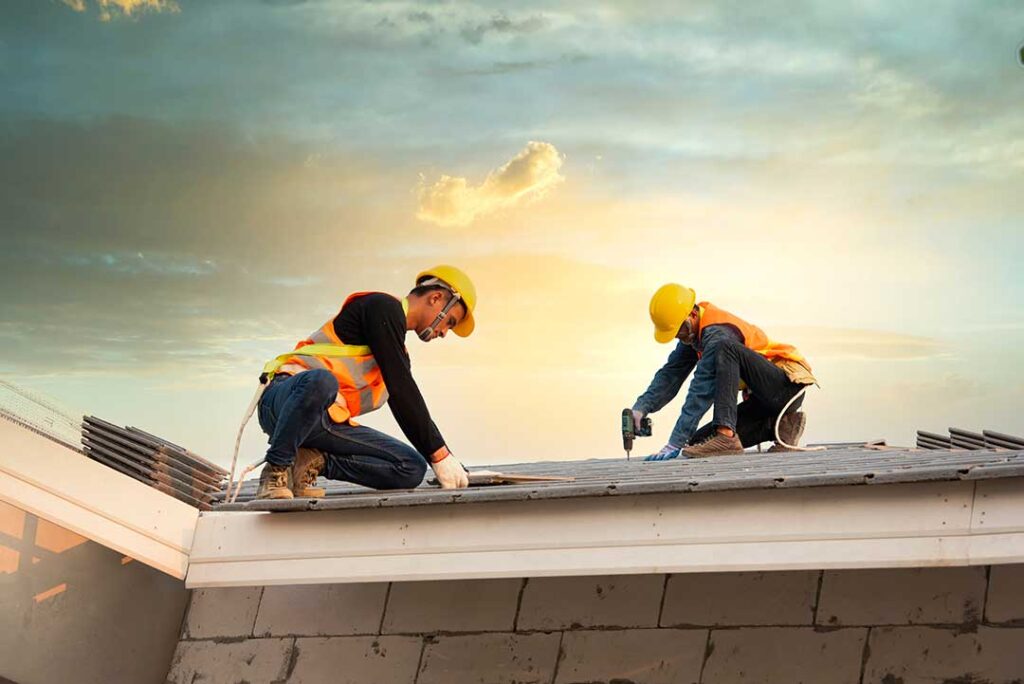
When is roof work safe to do yourself?
Roof work is generally safe for a homeowner only when the task can be completed from the ground, from a properly positioned ladder, or from a low, stable roof with reliable fall protection and dry conditions. Small maintenance jobs may be reasonable for an experienced do-it-yourselfer, but climbing onto a steep, wet, icy, damaged, or unfamiliar roof can turn a minor repair into a serious fall hazard.
In Avon, NY, changing weather adds another concern. Snow, freezing temperatures, wind, spring rain, and damp roof surfaces can make shingles and roof sheathing unexpectedly slippery. A roof that appears dry from the ground may still contain frost or moisture in shaded areas.
The safest approach is to decide whether the work requires stepping onto the roof at all. If it can be inspected or repaired from the ground, that is usually the better option.
Which roof tasks are reasonable for a homeowner?
Some roofing-related tasks are relatively low risk when performed carefully. Examples include:
- Cleaning leaves and loose debris from gutters while standing on stable ground or using a properly secured ladder
- Replacing a missing gutter strap or downspout connection
- Removing small amounts of moss or debris with a long-handled tool from the ground
- Inspecting visible flashing, gutters, soffits, and roof edges from the ground
- Replacing a small section of drip edge or trim when it can be reached safely without leaning beyond a ladder’s side rails
- Applying temporary protection to a small leak from inside the attic or living space while awaiting permanent repair
These tasks still require attention to electrical lines, ladder placement, falling objects, and weather conditions. A ladder should stand on firm, level ground, never on snow, ice, loose soil, or stacked materials. It should extend above the roof edge when used for access, and a second person should stabilize it when practical.
A homeowner should not assume that a simple-looking task is automatically safe. A loose gutter may be attached to rotten fascia, and a few missing shingles may indicate damaged roof decking beneath them.
What roof work should usually not be done alone?
Walking on a roof becomes significantly more dangerous when the surface is steep, brittle, wet, icy, or covered with loose granules. Work should generally not be attempted alone when it involves:
- Steep slopes or multiple roof levels
- Walking near eaves, gable edges, skylights, or roof openings
- Removing large areas of shingles
- Replacing roof sheathing or structural framing
- Working around chimneys, vents, or electrical service
- Using nail guns, saws, ladders, or heavy materials while standing on a slope
- Carrying bundles of shingles or other bulky materials up a ladder
- Working on a roof damaged by wind, falling branches, fire, or heavy snow
Roof decking can be weaker than it looks, particularly near a leak. A person may step through deteriorated plywood or miss a concealed opening beneath roofing materials. Skylights and translucent roof panels can also fail under body weight, even when they appear solid.
A harness alone does not make roof work safe. Fall-arrest equipment must be attached to a properly rated anchor and used with enough clearance to prevent striking the ground or another surface. Improvised anchors, chimney parts, plumbing vents, or attic framing should not be treated as dependable attachment points.
How does weather change the decision?
Weather is one of the most overlooked factors in do-it-yourself roofing. The roof should be considered unsafe when any of the following conditions are present:
- Rain, frost, ice, or melting snow
- Strong or gusty wind
- Heavy humidity that leaves the surface damp
- Extreme heat that softens asphalt shingles
- Lightning or an approaching storm
- Poor visibility, including dusk or shaded areas
- Recent snowfall that hides roof edges, valleys, or damaged sections
Cold-weather repairs are especially challenging in this area because shingles may become stiff and brittle. They can crack when lifted, and seal strips may not bond properly until temperatures rise. Snow and ice can also slide from the roof without warning, creating hazards for anyone below.
If temporary work is necessary during bad weather, it is usually safer to protect the affected area from inside the attic or from the ground rather than climbing onto the roof. A temporary tarp may reduce water entry, but placing one on a roof requires its own fall protection and can create additional wind hazards.
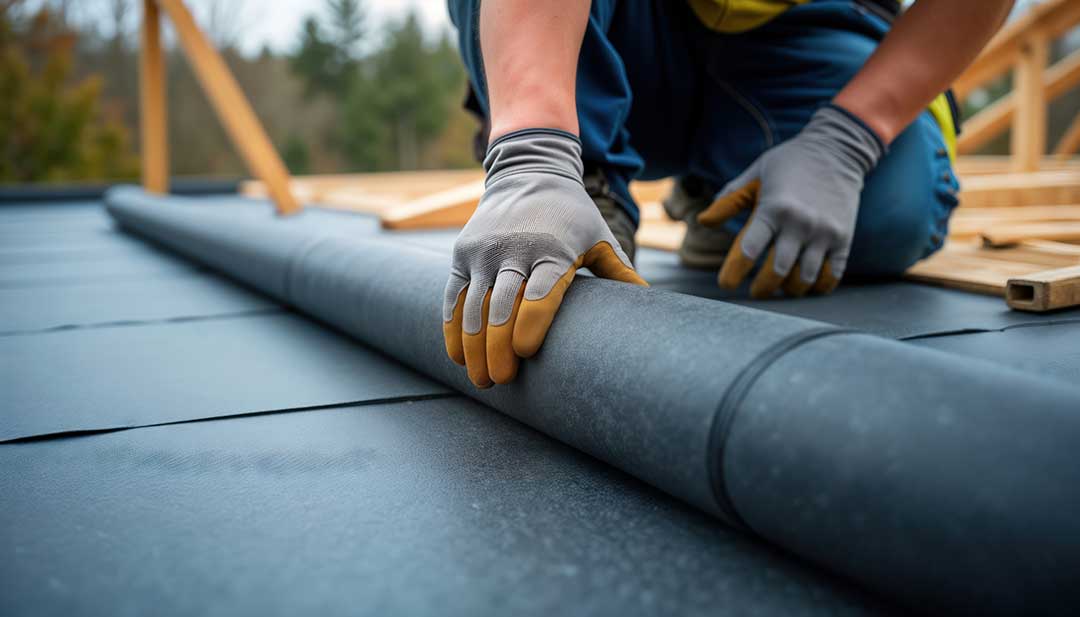
What fall protection is needed?
For work at significant height, fall protection should be planned before anyone climbs onto the roof. In residential construction, work six feet or more above a lower level generally requires an appropriate system such as guardrails, safety nets, or a properly designed personal fall-arrest or restraint system.
Homeowners should understand the difference between arrest and restraint. A fall-arrest system is designed to stop a fall after it begins, while a restraint system is arranged so the worker cannot reach the fall edge. Both require compatible equipment, suitable anchor points, correct adjustment, and adequate clearance.
A standard extension ladder is not a complete fall-protection system. It can provide access, but it does not prevent a person from slipping sideways, overreaching, or falling from the roof edge. Roof brackets, scaffolding, guardrails, and personal fall-protection equipment must be installed and used correctly. If the setup is unfamiliar, the risk may be greater than the repair itself.
Keep people and pets away from the area below. Shingles, tools, nails, ice, and pieces of flashing can fall from a roof. Do not work above entry doors, walkways, parked vehicles, or areas where children may pass unless the zone is controlled.
When is a ladder-only repair reasonable?
A ladder-only repair may be appropriate when the work is brief, the ladder can be placed securely, and the task does not require stepping onto the roof or reaching far to either side. Examples might include reconnecting a downspout or securing a loose section of gutter.
Before climbing, inspect the ladder for bent rails, damaged feet, missing hardware, and contamination from mud or ice. Keep the body centered between the side rails. Do not stand on the top step or climb while carrying tools in both hands. Use a tool belt or raise materials after reaching a stable position.
If the repair requires repeated climbing, two-handed work, forceful pulling, or leaning beyond the ladder’s safe angle, it is no longer a simple ladder task.
Do permits or building rules matter?
Roof work can involve more than replacing visible shingles. Recovering or replacing an existing roof covering must comply with applicable provisions of the New York State residential code. Requirements may vary depending on the extent of the work, roof layers, structural conditions, ventilation, flashing, and whether other building components are altered.
A small maintenance repair may not be treated the same as a reroofing project or structural repair. Before removing substantial roofing material, verify current permit requirements and local inspection procedures for the property. Insurance rules, homeowner association restrictions, and manufacturer installation requirements may also affect the work.
Do not cover signs of structural damage merely to stop a leak. Sagging roof lines, widespread rot, damaged rafters, displaced masonry, or water entering electrical components require a more cautious evaluation.
What are the warning signs to stop immediately?
Stop the work and leave the roof safely if footing changes, the roof flexes, shingles break under light pressure, wind increases, or the planned task is taking longer or becoming more complicated than expected.
Other warning signs include:
- A ladder shifting, sinking, or losing contact
- Uncertainty about where to step
- Hidden ice, wet algae, or loose granules
- Cracks, holes, sagging, or soft roof decking
- A damaged chimney or loose flashing
- A need to work near overhead electrical conductors
- Difficulty maintaining three points of contact
- Fatigue, dizziness, or trouble handling tools and materials
The practical rule is simple: do-it-yourself roof work is safest when the job is small, the surface is dry and stable, access is secure, and the repair can be completed without improvising fall protection. If the roof’s condition, height, slope, or weather makes any of those conditions uncertain, staying off the roof is the safer decision.
