
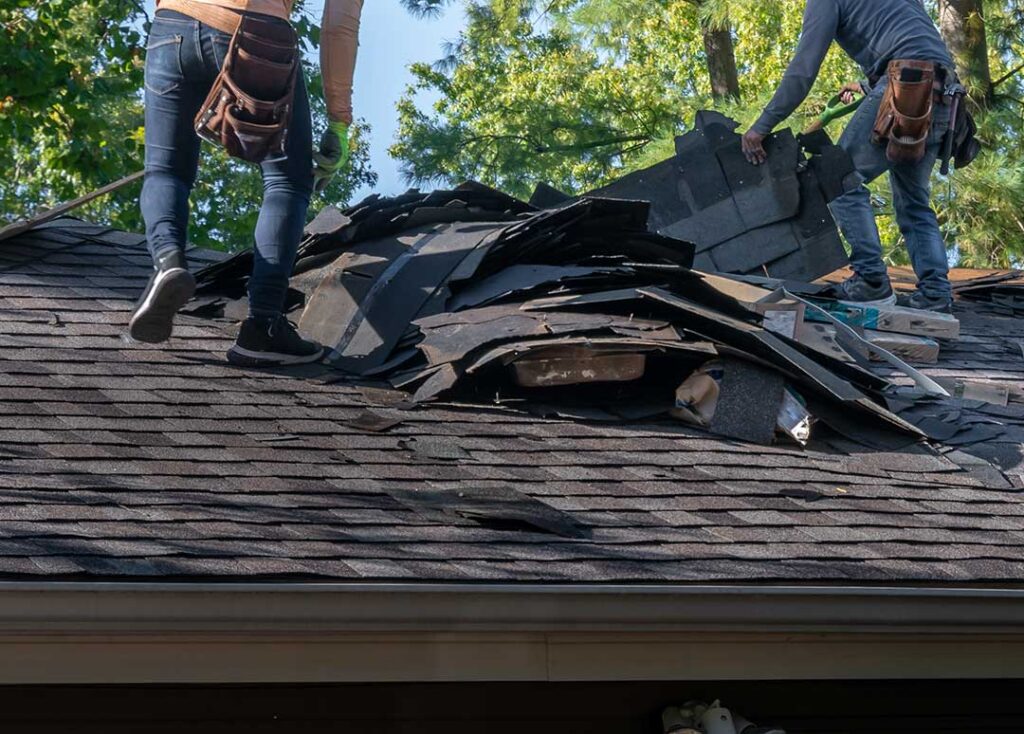
Roof maintenance does not always require specialized equipment. For many routine tasks, the right basic tools can help residents spot clogged drainage, damaged shingles, loose flashing, and other early warning signs before they become larger problems. The key is knowing which tools are appropriate for ground-level inspection, which require greater caution, and which jobs should not be attempted from a ladder.
Which tools are most useful for routine roof maintenance?
A small set of inspection and cleanup tools is enough for many basic maintenance tasks. The most useful choices are:
- Binoculars for viewing roof surfaces from the ground
- A sturdy extension ladder with stabilizing features
- Work gloves with good grip
- A soft-bristle brush or hand broom
- A plastic roof rake for light snow removal
- A flashlight or headlamp
- A tape measure
- A camera or phone for documenting changes
- A bucket or debris bag for ground-level cleanup
- A screwdriver and adjustable wrench for inspecting accessible exterior components
These tools are mainly for observation, light cleanup, and documentation. They are not a substitute for fall protection, specialized roofing equipment, or training.
Binoculars are especially valuable because they allow a homeowner to inspect shingles, metal edges, vents, and flashing without stepping onto the roof. A camera with a zoom feature can also help compare the same areas from season to season.
Is a ladder necessary for roof maintenance?
A ladder can help inspect gutters, downspouts, soffits, and lower roof edges, but it introduces serious fall risks. Many maintenance questions can be answered from the ground with binoculars, making a ladder unnecessary for an initial inspection.
If a ladder is used, place it on firm, level ground and keep the area clear of wet leaves, ice, mud, and other slippery material. The ladder should extend above the upper landing point when access to a roof edge is permitted and appropriate. Maintain three points of contact while climbing, and never carry bulky tools in both hands.
A ladder should not be used during strong wind, freezing rain, active snowfall, or wet conditions. In the local climate, spring mud, summer storms, and autumn leaves can each create unstable footing. A second person should be nearby when ladder work is unavoidable.
A ladder is not a fall-arrest system. It also does not make walking on a roof safe.
What tools help inspect gutters and drainage?
Gutter and downspout problems are among the most practical maintenance issues to check from a ladder or from the ground. Useful tools include gloves, a small hand scoop, a plastic bucket, a garden hose, and a plumber’s snake for limited downspout testing.
Gloves protect against sharp metal edges, decomposing leaves, insects, and hidden debris. A plastic scoop is generally safer for finished gutters than a metal tool, which can scratch protective coatings or dent the gutter.
After removing loose debris, water can be used to check whether flow moves freely through the downspout. Watch for:
- Water backing up at the gutter outlet
- Leaks at seams or end caps
- Water spilling over the front edge
- Downspouts discharging too close to the foundation
- Loose straps or separated joints
- Erosion below the outlet
Do not direct high-pressure water beneath shingles, into soffit vents, or toward roof penetrations. The purpose of a hose test is to confirm drainage, not to wash the roof.
What tools are appropriate for checking shingles and flashing?
A pair of binoculars, a flashlight, and a camera are often the safest tools for checking shingles and flashing. From the ground, look for missing, lifted, cracked, curled, or visibly displaced shingles. Also check areas around chimneys, plumbing vents, skylights, and roof-wall intersections.
A tape measure can help document the size of visible damage from a safe location. Repeated photographs taken from the same viewpoint are useful for identifying changes after heavy weather.

A screwdriver or adjustable wrench may be appropriate for checking loose fasteners on accessible gutter components, downspout straps, or exterior trim. These tools should not be used to pry up shingles or disturb flashing. Roofing materials can be damaged easily, and a small opening may allow water into the roof assembly.
Roof cement, caulk, and sealants should not be treated as universal repairs. Applying material over a damaged area may hide the problem while allowing moisture to continue moving underneath.
Is a roof rake useful during winter?
A plastic roof rake can help remove limited amounts of snow from the lower edge of a roof, but it must be used carefully. The tool should be operated from the ground, and the user should remain far enough away to avoid falling snow, ice, or sliding debris.
Snow removal is not automatically required after every storm. Many roofs are designed to carry ordinary seasonal snow loads. Removing snow becomes more complicated when accumulation is unusually deep, wet, uneven, or combined with ice.
Avoid:
- Climbing onto a snow-covered roof
- Using a metal rake that can damage shingles
- Pulling snow toward doors, walkways, windows, or utility equipment
- Standing beneath areas where snow may slide
- Chipping aggressively at ice dams
Ice dams can be connected to attic insulation, air leakage, ventilation, and roof-edge temperatures. A roof rake may remove some surface snow but will not correct the underlying cause.
What safety equipment should accompany roof inspections?
Safety equipment matters more than the tool used for the task. Basic protective items include slip-resistant footwear, work gloves, eye protection, and clothing suited to the weather. For ground-level inspections, these may be sufficient.
Roof access requires a different level of protection. A harness, rope system, roof anchors, and other fall-protection equipment must be selected and used correctly. Improvised tie-off points, unsecured ladders, and ordinary household rope are not reliable substitutes.
Avoid walking on roofs that are wet, icy, steep, moss-covered, damaged, or covered with loose granules. Asphalt shingles can become brittle in cold weather and slippery in damp conditions. Metal roofing can be particularly hazardous because moisture and frost reduce traction quickly.
If a roof surface, chimney, skylight, or upper-story edge must be reached, the risk may exceed what ordinary household tools can safely manage. In those situations, professional equipment and training are appropriate because the danger involves falls, structural damage, and hidden electrical or weather-related hazards.
How often should these tools be used?
A practical maintenance schedule includes a ground-level inspection in spring and fall, plus additional checks after severe wind, hail, heavy rain, or unusual snow. Gutters may need attention more often if mature trees overhang the roof.
After a storm, begin from the ground. Look for loose branches, scattered shingle pieces, bent metal, new stains, or blocked downspouts. Do not assume that a roof is undamaged simply because there is no visible leak inside. Water can travel beneath roofing materials before appearing on ceilings or walls.
Store ladders, roof rakes, and hand tools in a dry location. Inspect them before use for cracked handles, bent rails, worn feet, loose fasteners, or corrosion. Damaged equipment can turn a minor maintenance task into a preventable accident.
The most valuable roof-maintenance tool is often a consistent inspection habit. Careful observation, simple documentation, and respect for weather and fall hazards can help area households recognize developing problems without turning routine upkeep into unsafe roof work.
