
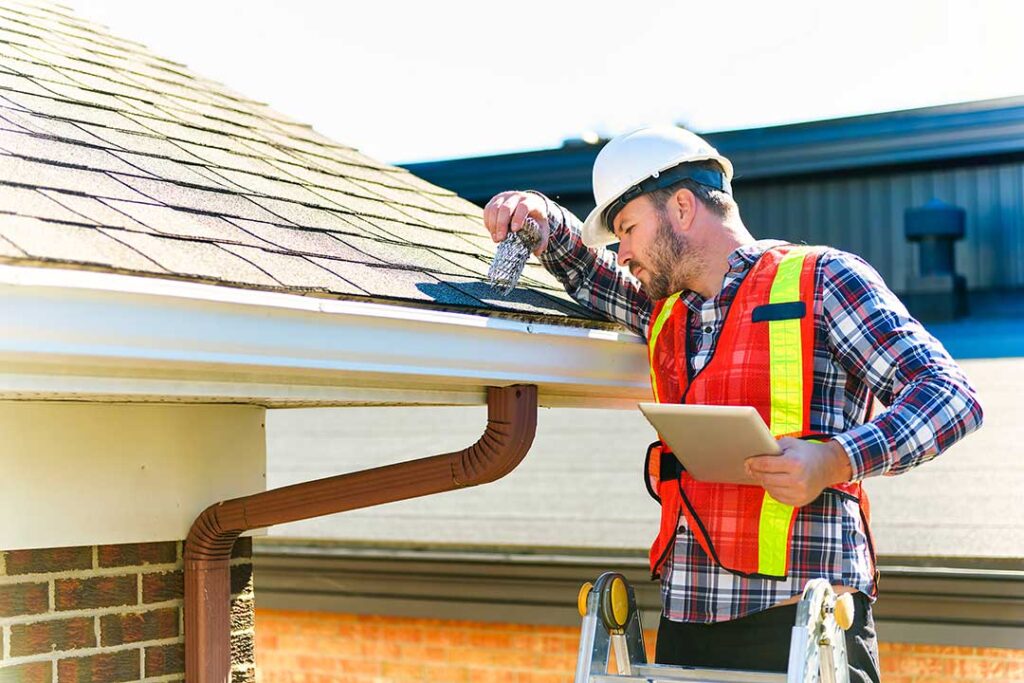
Why Would Someone in Avon, NY Need to Walk on a Roof?
Residents in Avon, NY often need to walk on their roofs for routine maintenance, seasonal gutter cleaning, or after severe weather to check for damage. Performing these tasks safely requires an understanding of local roof types, climate considerations, and safe practices that fit the area's typical weather patterns and residential structures.
What Are the Main Safety Risks When Being on a Roof?
Direct answer: Walking on a roof carries risks such as falls, damaging roofing materials, and unexpected slips — all of which are heightened by the steepness, materials, and seasonal conditions typical in the region.
Many Avon homes have pitched asphalt shingle roofs, which can become slippery due to moss, rain, or frost. Strong winds, moisture, and icy patches are common in local cold months, further increasing the chance of slipping. Structural damage from age or previous storms can also make certain sections less stable.
How Can Area Residents Prepare Before Stepping Onto a Roof?
Preparation is essential before setting foot on any roof.
- Inspect from the ground first: Use binoculars to check for loose shingles, algae, visible rot, or sagging areas that could indicate hazards.
- Wait for the right weather: Choose a dry, calm day — avoid early morning dew, rain, snow, or high winds.
- Select proper footwear: Wear soft-soled, non-slip shoes. Boots with a moderate tread help prevent both slips and damage to shingles.
- Set up an extension ladder correctly: Make sure the ladder is placed on stable, level ground, ideally anchored with a helper holding it steady. The top should extend at least 3 feet above the edge for secure stepping on and off.
What Equipment Improves Safety on Avon Roofs?
Beyond shoes and ladders, a few other tools add extra layers of safety and stability.
- Fall protection harnesses: For especially steep or high roofs, securely anchored harnesses give extra security.
- Roof brackets or “roof jacks”: These temporarily support sturdy planks on steep sections, creating safer footing for specific maintenance tasks.
- Clean-out buckets with hooks: Reduces unnecessary trips up and down, allowing both hands to remain free while climbing.
Local residents should avoid using regular household ladders for high or two-story roofs, as many homes in the area have significant height from ground to eaves. Avoid carrying bulky items while climbing; instead, use rope and a bucket or tool bag to haul tools up after reaching the top.
Where Should You Step (and Not Step) to Protect Both Yourself and the Roof?
Direct answer: Always walk gently near the roof's center, where support is strongest, and avoid stepping on edges, ridge caps, or visibly damaged areas.
Stepping on weak spots or near eaves can cause damage to shingles, underlayment, or flashing, or even lead to a fall. Stay spaced out from skylights, vents, or any obvious soft spots. If a section flexes or feels spongy underfoot, back away immediately.
How Do Seasonal Conditions in Avon Affect Roof Safety?
The local climate means that roofs can be hazardous at certain times of year.
- Winter: Snow accumulation and ice are significant dangers. Never walk on a roof covered with visible frost, snow, or after freezing rain — the risk of slipping and structural damage increases.
- Spring and fall: Moss or wet leaves are common and create slippery zones, especially on shaded roof areas.
- Summer: High heat can soften asphalt shingles and make them more fragile or sticky, so avoid midday walks during heat waves.
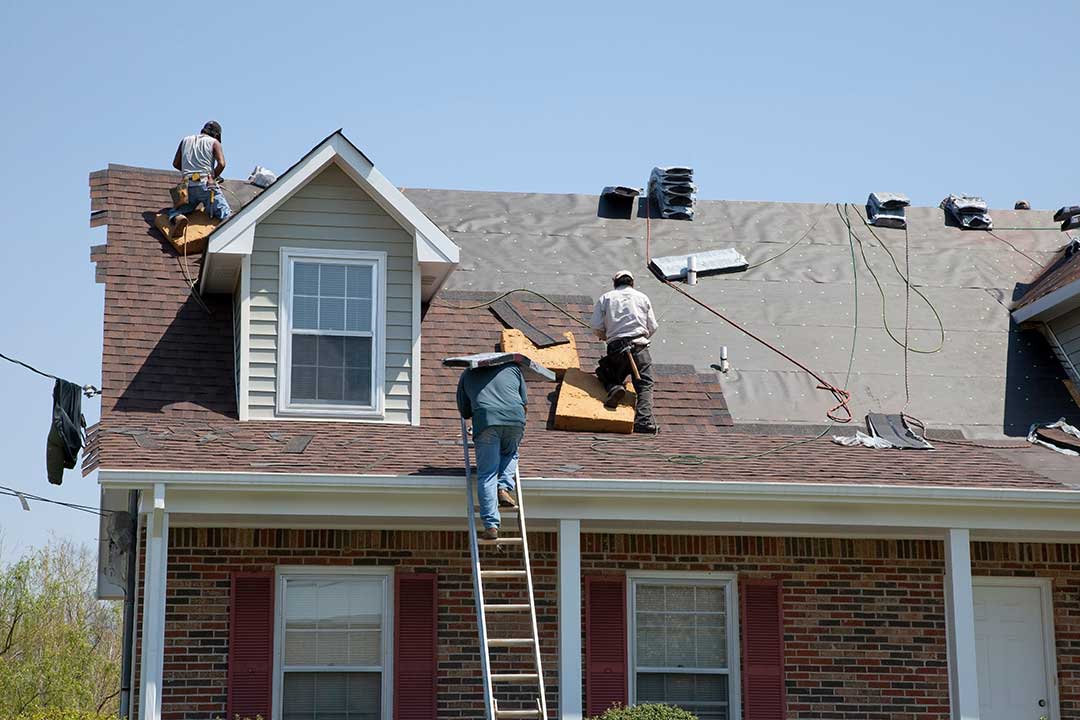
In all seasons, sudden Avon rain showers can make surfaces slick quickly. It's wise to postpone roof work when unpredictable weather is expected.
What Are Common Misconceptions About Walking on a Roof?
Many believe that careful steps are always safe, but even light foot traffic on old or compromised roofs can cause hidden damage or immediate failure. Another misconception: “If I use the gutter for balance, I will be safer.” Leaning or holding onto gutters can pull them away from the house, risking injury and expensive repairs.
Are There Situations Where Residents Should Avoid the Roof Entirely?
Direct answer: If a roof is steeply pitched, visibly damaged, covered with snow or ice, or the resident feels unsteady or uncomfortable, it’s best not to go up.
Area older homes may have weaker sheathing, and severe weather damage isn't always visible from below. In these cases, using a drone or camera on an extension pole can offer a safe inspection alternative. For issues involving electrical lines, major structural deficits, or roofs above two stories, climbing up without specialized training and equipment is not recommended.
What Habits Support Safer Maintenance Over Time?
Regular, safe maintenance reduces the number of trips up onto the roof and limits hazards.
- Check and clear gutters in late spring and late fall, before and after leaf season.
- Trim tree branches away from the roofline to reduce debris accumulation and shade growth that leads to moss.
- Schedule visual roof checks after storms, but rely on ground-based observation unless immediate action is truly necessary.
By understanding both the typical structure of local residences and the region’s climate, area residents can take sensible, precaution-focused steps for safer roof access.
