
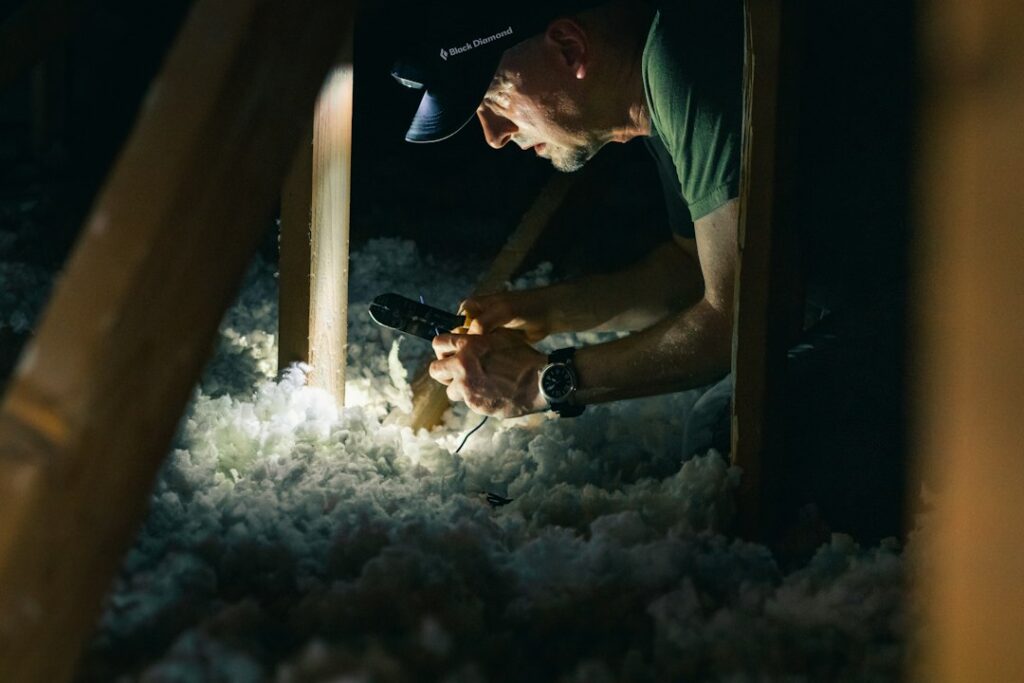
Leaving home for a vacation involves more than locking doors and adjusting the thermostat. A roof can develop problems while a house is empty, especially during periods of heavy rain, strong wind, freezing temperatures, or rapid snowmelt. A short inspection before departure can help identify small issues before they become interior water damage.
What should be checked before leaving Avon, NY?
Before vacation, inspect the roof from the ground and check the attic or upper-level ceilings from inside the home. Look for warning signs such as missing shingles, lifted flashing, clogged gutters, damp insulation, water stains, or daylight visible through the attic roof deck.
A ground-level inspection should include:
- Shingles that appear cracked, curled, loose, or missing
- Metal flashing around chimneys, vents, skylights, and roof-to-wall intersections
- Sagging gutters or downspouts
- Branches that touch or overhang the roof
- Moss, heavy debris, or standing water on low-slope sections
- Loose chimney components or damaged vent caps
Do not climb onto a wet, icy, or steep roof before traveling. Conditions that seem manageable in dry weather can become hazardous after rain, frost, or snow.
Inside the home, inspect ceilings and upper walls for fresh discoloration, bubbling paint, peeling wallpaper, or a musty smell. These signs may indicate a leak that is not yet large enough to produce visible dripping.
How do gutters and downspouts affect an empty house?
Gutters and downspouts should be clear enough to move rainwater away from the roof and foundation. Leaves, twigs, and roof granules can collect in the channels, particularly during fall and after windy weather.
Check that:
- Gutters are securely attached and do not pull away from the fascia
- Downspouts are connected and direct water away from the foundation
- Extensions have not shifted or become buried
- Water can flow freely through elbows and outlets
- No section of gutter holds standing water because of poor slope
A blocked gutter may overflow behind the fascia or against exterior walls. During freezing weather, trapped water can expand and contribute to damaged gutters, ice buildup, or leakage near the roof edge.
For a longer absence, it is also wise to consider how leaves and storm debris may accumulate while the home is unattended. A roof that is clear at departure may not remain clear throughout the trip.
Should roof repairs be completed before vacation?
Visible damage should not be ignored simply because the trip is short. A minor flashing gap or a few loose shingles may allow wind-driven rain to enter during the next storm. Water can then travel along rafters, insulation, or wall cavities before appearing indoors.
Repairs deserve prompt attention when there is:
- An active leak or water entering during rain
- A noticeably sagging roof area
- Large areas of missing or displaced shingles
- Damaged flashing around a chimney or roof penetration
- A branch resting on the roof
- Exposed underlayment or roof decking
- Structural damage caused by snow, ice, or fallen limbs
Temporary coverings are not a substitute for correcting the source of a leak. If a repair involves climbing, electrical hazards, structural instability, or storm damage, it should be handled by someone qualified to work safely under those conditions.
What winter preparations matter most?
Winter travel requires additional planning because snow and ice can remain on a roof for days or weeks. Heavy, wet snow places more load on the roof than the same depth of light, dry snow. Ice accumulation can also add weight and interfere with drainage.
Before leaving during the colder months, check whether previous storms have caused:
- Large snow buildup on lower roof sections
- Ice dams along eaves
- Snow collecting in roof valleys
- Uneven drifts near taller roof sections or adjoining structures
- Water stains that appeared after earlier thaws

Ice dams form when melting water refreezes near the colder roof edge. They can force water beneath roofing materials and into the attic or upper walls. Poor attic insulation, air leakage, and inadequate ventilation can increase the risk, but ice dams may still occur during unusual weather.
Avoid using salt, sharp tools, or open flames on roofing materials. Do not stand beneath an area where snow or ice may slide unexpectedly. Roof snow removal can be dangerous, particularly on steep surfaces or around overhead utility lines.
Should the heat be left on?
Keeping the home heated at a moderate setting helps protect plumbing and reduces extreme temperature swings. Turning the heat off completely can create frozen pipes, condensation, and other problems that may affect ceilings and roof-adjacent areas.
Attic ventilation should remain unobstructed. Do not cover soffit vents with stored items or insulation, and do not block bathroom or kitchen exhaust outlets. Exhaust fans should discharge outdoors rather than into the attic, where warm moisture can condense on cold roof components.
If the home has experienced condensation or ice-damming problems, vacation preparation is a good time to inspect the attic for damp insulation, frost, mold-like growth, or rusty fasteners.
What should someone monitoring the house know?
A trusted person checking the property should know where to look after heavy weather. A quick visit after a strong storm can reveal problems that are not visible from inside the home.
Provide instructions to check:
- Ceilings below roof valleys, skylights, and chimneys
- Attic areas for moisture or dripping
- Gutters for unusual sagging or overflow
- Fallen branches or debris on the roof
- Exterior walls for new water staining
- Snow or ice accumulation that has changed suddenly
If the home has a security or leak-detection system, confirm that batteries are charged and alerts are working before departure. A water sensor near a mechanical room or beneath a historically troublesome roof area may provide an early warning, although it does not replace a visual inspection.
What should be documented before leaving?
Take clear photographs of roof sections, gutters, flashing, ceilings, and attic areas before the trip. Documentation can make it easier to recognize new damage after a storm and can help explain the condition of the property to a person monitoring the home.
Record the location of shutoff valves, electrical panels, attic access points, and any known roof concerns. Keep repair records and notes about recurring leaks in an accessible place.
The seasonal pattern in Avon includes conditions that can shift quickly from rain to freezing temperatures, along with wind, snow, and thawing cycles. Preparing for those changes is more useful than relying only on the weather forecast for the day of departure. A roof that is dry and sound before leaving, with clear drainage and a plan for storm checks, is better positioned to protect the home while it is unoccupied.
