
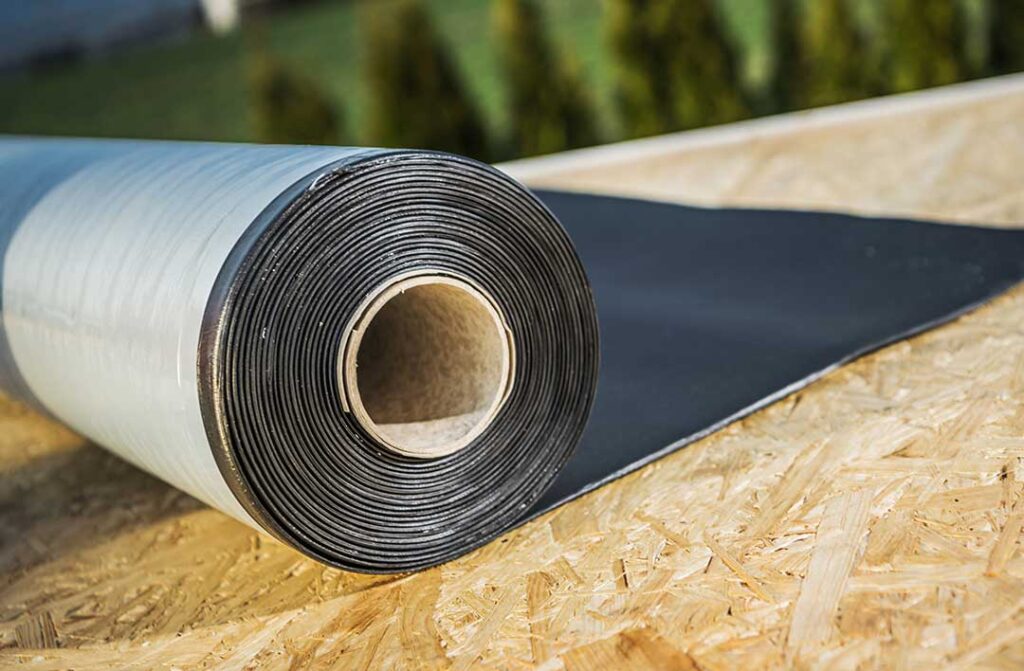
What Are Roof Coatings and How Do They Work?
Roof coatings are protective layers applied to the surface of existing roofs to extend lifespan, improve performance, or address specific concerns like leaks or energy efficiency. Most commonly used on flat or low-slope roofs, these coatings can be made from elastomeric, acrylic, silicone, asphalt, or polyurethane materials. In Avon, NY, where seasonal weather swings can take a toll on roofs, coatings are sometimes considered as a maintenance strategy rather than a full replacement.
Do Roof Coatings Really Prolong a Roof’s Life?
A properly applied roof coating can add years to the serviceable life of an aging or weathered roof. For many local homeowners, the appeal lies in delaying major roof work, especially ahead of harsh winters or wet spring seasons. Coatings act as a barrier, shielding the underlying materials from sun, rain, UV damage, and the freeze-thaw cycles typical of the region.
However, coatings are not a cure-all. They perform best when the underlying roof is structurally sound and free from major damage, rot, or widespread leaks. While a coating might seal minor seams or cracks temporarily, it won’t resolve larger structural problems. For roofs already in very poor condition, coating is not a substitute for necessary repairs or replacement.
What Are the Biggest Advantages for Local Households?
Avon residents often value roof coatings for a few practical reasons:
- *Reduced energy costs:* Some coatings are formulated to be reflective, helping keep attic temperatures lower during hot, sunny summers.
- *Less frequent repairs:* A fresh coating can help prevent small leaks from forming, provided the underlying materials are in fair shape.
- *Protection from local weather stressors:* Avon experiences significant temperature swings and seasonal precipitation. A coating acts as a moisture and UV barrier, which can help shingles or membranes last longer.
- *Lower maintenance demands:* Compared to older, worn roof materials, a coated roof may need fewer spot repairs or patching.
- *Environmental considerations:* Applying a coating rather than replacing an entire roof can generate less construction waste.
What Are Common Limitations and Drawbacks?
While coatings have clear benefits, they also come with notable limitations:
- *Not a true repair:* Coatings may conceal small problems but they don’t fix rot, mold, or major leaks. Applying over serious issues can sometimes trap moisture and make problems worse.
- *Durability concerns:* While some coatings last 5–10 years, others may show wear much sooner, especially if snow and standing water accumulate.
- *Potential for peeling or cracking:* Subpar preparation, poor-quality materials, or underlying roof issues can lead to premature failure of the coating.
- *Slippery surfaces:* Newly coated roofs, especially silicone or acrylic finishes, can be more slippery, creating hazards during inspection or cleaning.
- *Possible insurance or code issues:* In some cases, repeated coating applications can void certain warranties or conflict with local building codes, especially if used as a stopgap instead of true repair.
- *Limited effectiveness on steep-slope or shingle roofs:* Most coatings are designed for flat or low-slope materials (like modified bitumen, EPDM, or metal). On pitched asphalt shingle roofs, coatings may not adhere well and could accelerate underlying issues.
How Does the Avon Climate Affect Roof Coating Performance?
Avon’s weather patterns make choosing the right coating — and applying it under the right conditions — especially important. Roof coatings need to be applied in dry, mild weather, typically late spring through early fall. Cool, damp conditions can prevent coatings from curing properly, leading to bubbling or failure. The freeze-thaw cycles common in the area can also stress some coatings, so elasticity matters: products that remain flexible perform better over several seasons of expansion and contraction.
Snow accumulation and standing water are another local concern. Roofs with poor drainage may experience pooling, which can degrade certain coating materials faster than intended. Residents should take care to clear significant snow buildup and ensure gutters and drains are working properly to protect both roofs and any coating layers.
Are There Maintenance or Upkeep Needs After Application?
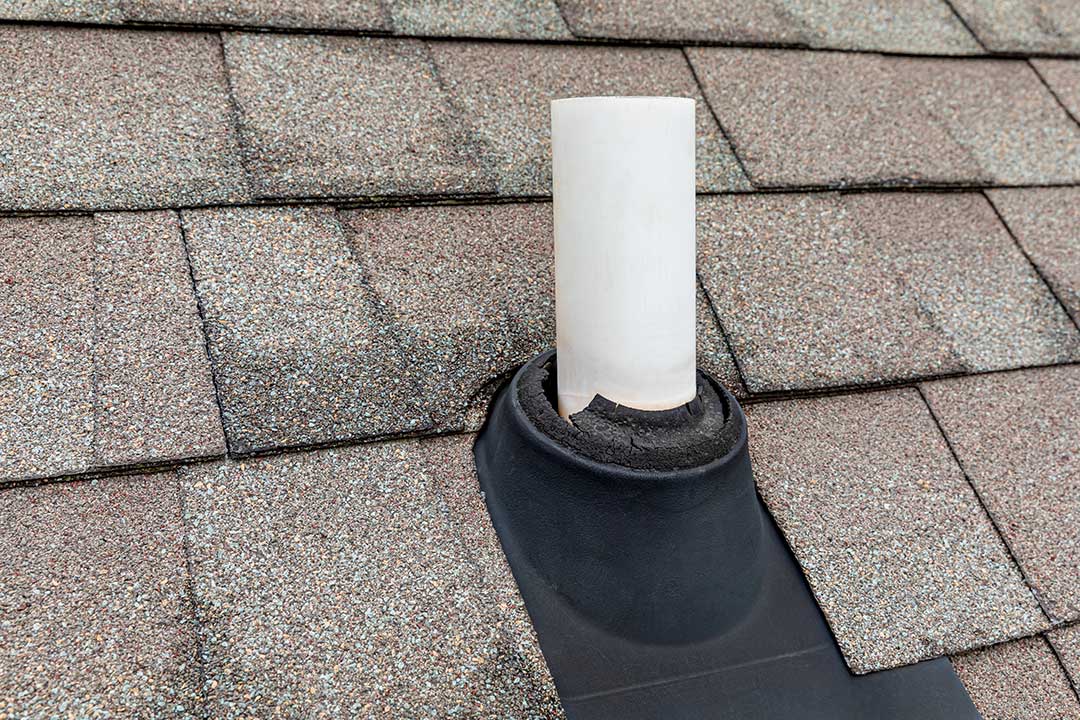
Even after a roof has been coated, regular checks are still important. Most products require:
- Periodic inspection, especially after storms or heavy snowfall
- Cleaning debris from the roof to prevent organic buildup or ponding water
- Reapplication every several years, as recommended by coating type and product lifespan
Skipping these steps can lead to shorter lifespans or missed developing issues, such as blistering or new leaks.
What Should Area Homeowners Consider Before Choosing Roof Coating?
Before deciding to coat an older roof in the city, residents should ask:
- Is the underlying structure dry, stable, and free of mold or rot? Coatings are most effective on roofs without significant deterioration.
- What type of roof do I have? The success of coatings varies widely between flat, metal, and shingle roofs.
- Will future repairs or replacement be complicated by this coating? Some products are difficult to remove, potentially increasing the cost and labor for future roof work.
- Does my insurance or any warranty have conditions that could be affected?
- Have I had a recent inspection to confirm suitability? Coatings can give a false sense of security if applied over hidden issues.
Are There Misconceptions or Overlooked Factors Among Local Residents?
Some homeowners believe that a coating can "fix" roof leaks or take the place of more comprehensive repairs. In reality, the main advantage lies in preservation and maintenance rather than remediation. Another common misconception is that all coatings are similar; in fact, formulations vary in durability, environmental tolerance, and compatibility with local roofing types.
Finally, residents should be aware that repeated layers of coatings, or use on roofs past their useful life, can sometimes create more headaches than they solve. A careful evaluation of the roof’s condition and a realistic understanding of coating advantages—and limits—are crucial for area households.
