
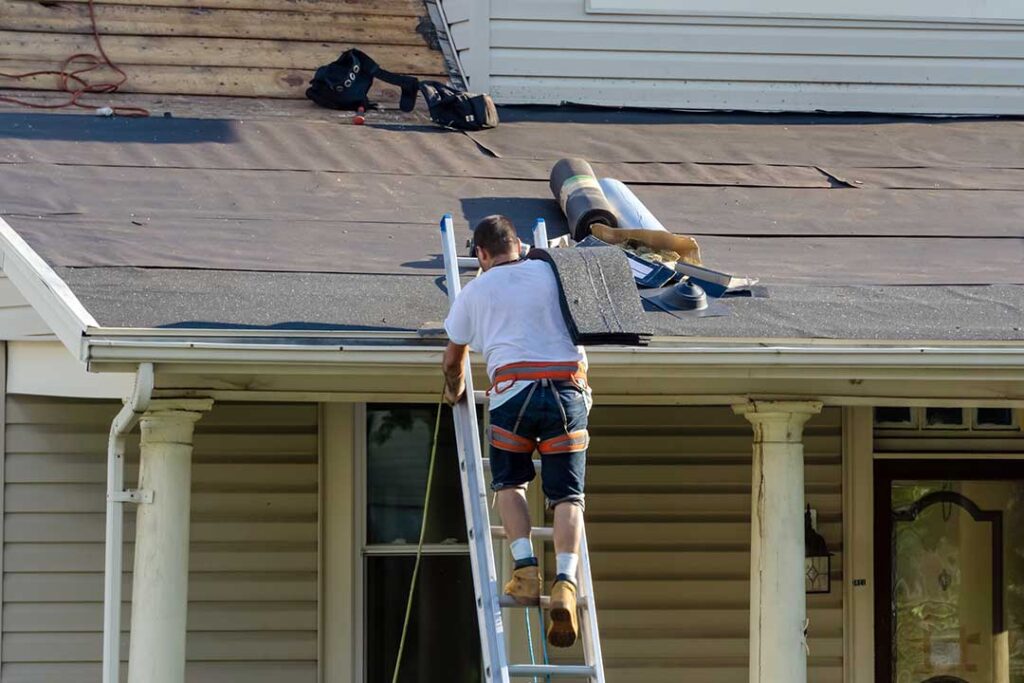
Why Is Matching Replacement Shingles a Common Challenge?
Matching replacement shingles is often trickier than homeowners expect. Many find the color, texture, or profile of their repairs stands out, especially on roofs aging in local weather conditions. The main reason is that original shingles fade and weather over time, and manufacturers may change or discontinue product lines. In the Avon, NY area, where winters can be harsh and summers bring strong sun, shingles can change appearance faster than in more moderate climates.
A perfect match is sometimes impossible, but a close match preserves curb appeal and neighborhood consistency while helping prevent water intrusion. Even small differences can look obvious from the street, so careful selection is worthwhile.
What Factors Should Avon Residents Consider Before Searching for a Match?
Start by assessing the current roof’s age, material, and condition. In Avon, many residential roofs are asphalt shingles, which can look noticeably different after just a few seasons.
Key considerations before shopping for shingles:
- Roof Age: If your roof is more than a few years old, expect some fading or loss of granules that won’t be visible on new shingles.
- Shingle Style: Architectural (dimensional) and three-tab shingles can appear very different, even when the color is officially the same.
- Past Repairs: Check if any previous patching jobs already used a different shingle. This can affect how “new” patches blend in.
- Neighborhood Standards: Some areas or associations encourage maintaining a uniform look.
How Can Local Homeowners Identify the Original Shingle?
First, try to locate leftover shingles from the original installation. Many local homeowners store extra bundles in garages or basements. If none are available, inspect the attic, garage rafters, or order paperwork; original invoices or product wrappers may list the color and brand.
If no documentation exists, the shingle type can often be identified by:
- Comparing exposed shingles with manufacturer samples at local building suppliers (bring a loose shingle to compare in person).
- Looking for manufacturer's markings or patterns on the reverse side of a loose, undamaged original shingle.
If identification is still unclear, take clear, well-lit photos in daylight, as indoor or artificial lighting may misrepresent color.
Why Do New Shingles Sometimes Stick Out?
New shingles often appear darker and more saturated. This contrast is especially sharp after Avon winters, when snow and ice accelerate shingle fading. UV rays and rain gradually wash out pigment and expose granules in older shingles.
Common reasons new shingles look different:
- Age and UV exposure softens older shingle colors.
- New shingle granules are clean and reflective.
- Local weathering: Algae, dirt, and runoff affect older shingles uniquely.
It is normal for even a close match to stand out for the first year or two; with time, most repairs become much less noticeable as they weather alongside the existing roof.
How Can Residents Achieve the Closest Match?
Begin with a physical sample, not just a manufacturer’s color chart. Hold potential replacements against the actual roof under natural daylight, ideally from the perspective of street-level viewing. Don’t judge a match when the roof is wet or shaded—wait for dry, even light.
Tips for getting the closest blend:
- Bring a shingle from your roof to the supplier, if possible.
- Look at options outdoors rather than under store lighting.
- Choose the slightly lighter option if torn between two shades; once installed, shingles typically darken less than you expect.
- Ask suppliers about discontinued lines—sometimes old stock is available.
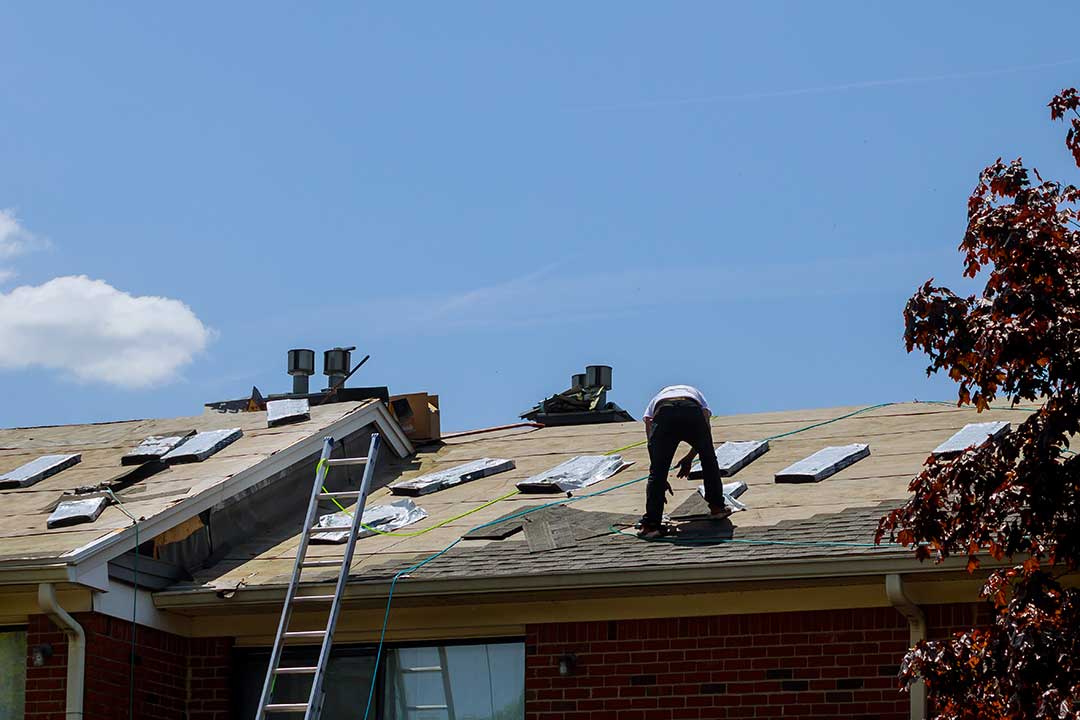
If your exact brand and color are unavailable, identify a new shingle with a similar overall tone, texture, and granule pattern. A near match in texture (e.g., thickness, cut, shadow line) is sometimes less noticeable than a perfect color match but different style.
Can Weathering or Staining Help Make New Patches Blend In?
Some residents ask if staining or painting shingles is a good option. While colorants intended for rooftops exist, typical household paints aren’t recommended—they can shorten shingle lifespan and aren’t engineered to resist Avon’s freeze-thaw cycles.
Gentle weathering is often the best approach; even a mismatched patch tends to blend gradually after a few seasonal cycles. Avoid using harsh chemicals or pressure washing as this may void manufacturer warranties or cause roof damage.
What If No Match Exists? Alternatives When Exact Matches Aren’t Available
If a perfect match can’t be found, some strategies reduce visual contrast:
- Place the patch in a less visible area if possible.
- Replace full shingle courses rather than small patches, so the new section appears intentional.
- Transition between old and new shingles over a few rows.
- Focus on watertight installation—long-term integrity is more important than cosmetic perfection.
Some local residents use creative patterns or starter shingles to form more natural transitions, especially on older or complex roofs.
Are There Local Considerations Unique to Avon, NY?
The region’s seasonal weather means roof repairs are best done outside heavy snowfall and after spring’s thaw. Prolonged wet periods can make install timing challenging, so plan small repairs during moderate, dry weather.
In this area, algae staining (black streaks) is common and can make matching repairs trickier. Take a sample from the cleanest part of the roof for better color accuracy.
Regular inspection, especially after winter and summer storms, can help spot small shingle problems before they require larger, harder-to-match patches.
