
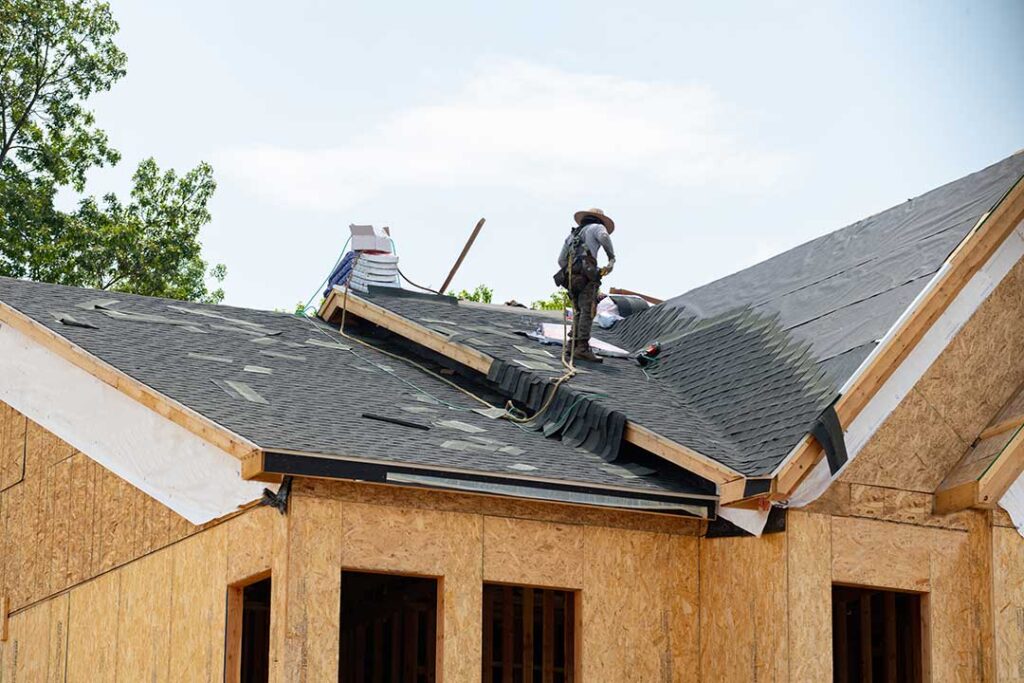
What is a cool roof?
A cool roof is designed to reflect more sunlight and absorb less heat than a conventional roof. Its surface typically has a higher solar reflectance and a higher thermal emittance, allowing the roof to stay cooler under direct sunlight.
Traditional dark roofing materials can become much hotter than the surrounding air on sunny days. That heat may transfer through the roof assembly and into the attic or upper floors. A cool roof reduces the amount of heat entering the building, although its overall value depends on the roof’s material, color, ventilation, insulation, and the building’s use.
Cool roofing is not limited to one product. It can include:
- Light-colored shingles, coatings, membranes, or metal roofing
- Reflective roof coatings applied to suitable existing surfaces
- Factory-finished roofing materials designed to reflect solar energy
- Vegetated roof systems in specific building applications
The term describes a roof’s performance, not simply its appearance. A light-colored roof may be relatively reflective, but the actual result depends on the material and its tested properties.
How can a cool roof lower indoor temperatures?
A cool roof reduces the amount of solar heat that reaches the roof deck and attic. During sunny weather, this can help upper rooms stay more comfortable, particularly in homes with limited insulation, finished attic spaces, or bedrooms directly below the roof.
The benefit is usually most noticeable during:
- Clear summer afternoons
- Extended periods of warm weather
- Homes with dark, aging roofing materials
- Buildings with low-slope sections that receive strong sun exposure
- Properties where attic ventilation is limited or poorly balanced
A cool roof does not function like an air conditioner, and it cannot correct every source of overheating. Windows, wall insulation, air leakage, duct placement, and ventilation also affect indoor temperature. Still, reducing roof-surface heat can lessen the amount of work required from fans or air-conditioning equipment.
Can cool roofs reduce energy use?
They can, especially in buildings that use air-conditioning during warm weather. By limiting heat gain through the roof, a reflective roof may reduce cooling demand and help maintain more stable indoor temperatures.
The savings are not identical from one building to another. A one-story home with a large roof area and conditioned rooms below may experience more benefit than a multi-story building with substantial insulation between the roof and living space. Energy savings may also be modest in a home that rarely uses mechanical cooling.
For residents considering this option, the most useful questions include:
- Is the roof over conditioned living space?
- Is the attic adequately insulated?
- Is the roof deck shaded or exposed to afternoon sun?
- Does the building already become uncomfortable during summer heat?
- Is air-conditioning used regularly enough for reduced cooling demand to matter?
A cool roof often works best as part of a larger building-efficiency plan rather than as an isolated upgrade.
Are cool roofs useful in Avon’s climate?
Yes, but the advantages are seasonal and should be weighed against cold-weather conditions. Avon experiences warm, sunny periods in summer as well as freezing temperatures, snow, ice, wind, and repeated freeze-thaw cycles during the colder months.
The main benefit of a cool roof in this climate is typically summer heat reduction. However, some people assume that a darker roof is always better in winter because it absorbs more sunlight. That effect is real in principle, but it is usually limited by cloudy weather, low winter sun angles, snow cover, roof insulation, and the building’s overall heating needs.
A properly insulated roof assembly generally has a much larger influence on winter heat retention than roof color alone. A roof should not be selected only for its summer reflectivity or winter appearance. Water shedding, durability, snow performance, ventilation, and compatibility with the existing structure also matter.
Do cool roofs help with snow and ice?
A cool roof is not an ice-dam prevention system. Reflective roofing may remain somewhat cooler in sunlight, but ice dams are primarily related to uneven roof temperatures, heat escaping from the building, snow accumulation, roof design, and ventilation.
If warm air from the living space reaches the underside of the roof, it can heat portions of the roof deck. Snow may melt in those warmer areas, then refreeze near colder eaves. This can create ice buildup and obstruct drainage.
Better ice-dam prevention usually begins with:
- Adequate insulation at the attic floor or roof assembly
- Sealing air leaks around ceiling penetrations
- Balanced intake and exhaust ventilation where appropriate
- Proper flashing and drainage details
- Maintaining clear roof edges and gutters
- Addressing areas where heat is unevenly distributed
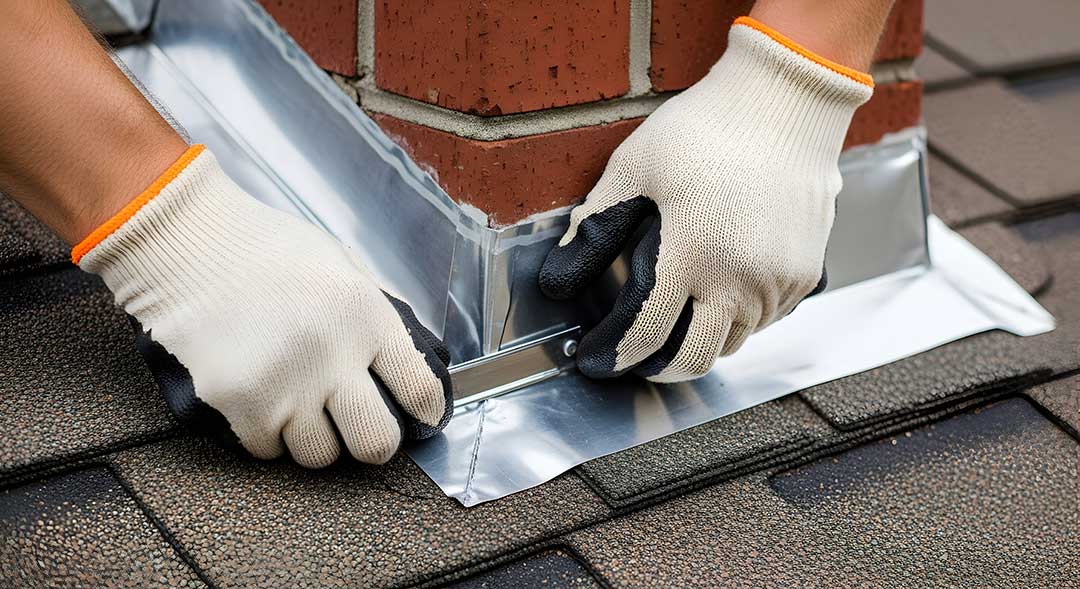
Changing from a dark roof to a reflective roof does not replace these measures.
What are the environmental benefits?
Cool roofs can reduce building cooling demand and may lower peak electricity use during hot weather. On a larger scale, reflective roofs can also reduce the amount of heat released into developed areas, especially where many buildings have large exposed roof surfaces.
There are additional material considerations. A roof that lasts longer, produces less waste, or can be maintained instead of replaced may offer environmental benefits beyond reflectivity. Conversely, replacing a serviceable roof solely to obtain a different color may not be the most resource-efficient choice.
Roof coatings also require careful evaluation. Some coatings are appropriate only for certain roof surfaces, slopes, or drainage conditions. Applying an incompatible coating can trap moisture, interfere with future repairs, or shorten the roof’s useful life.
Are cool roofs more expensive?
The cost depends on the material and whether the roof is being installed during a planned replacement or modified afterward. A reflective option may have little added cost when selected as part of a normal reroofing project, while a specialized coating or retrofit can involve additional preparation.
The financial return is also affected by the building’s energy use. A household that does not use much air-conditioning may see limited utility savings. In contrast, a building with a large, sun-exposed roof and high summer cooling demand may receive more practical value.
It is also worth checking current energy-code requirements, permit rules, and product specifications before making changes. Requirements can vary according to roof slope, building type, roofing assembly, and the scope of the work.
What should property owners check before choosing one?
The roof’s condition should be assessed first. Reflective materials do not correct leaks, deteriorated decking, inadequate flashing, structural concerns, or poor drainage.
A sound evaluation considers:
- Existing roof material and remaining service life
- Roof slope and drainage
- Attic insulation and ventilation
- Areas of shade and direct sun
- Snow, ice, and wind exposure
- Compatibility with flashing, skylights, vents, and gutters
- Whether the roof surface is suitable for a coating
- The expected maintenance and replacement schedule
A cool roof can improve summer comfort and reduce heat entering a building, but it is not a universal solution. In Avon, the most sensible choice is usually the one that balances reflectivity with insulation, moisture control, winter performance, durability, and the actual way the building is used.
