
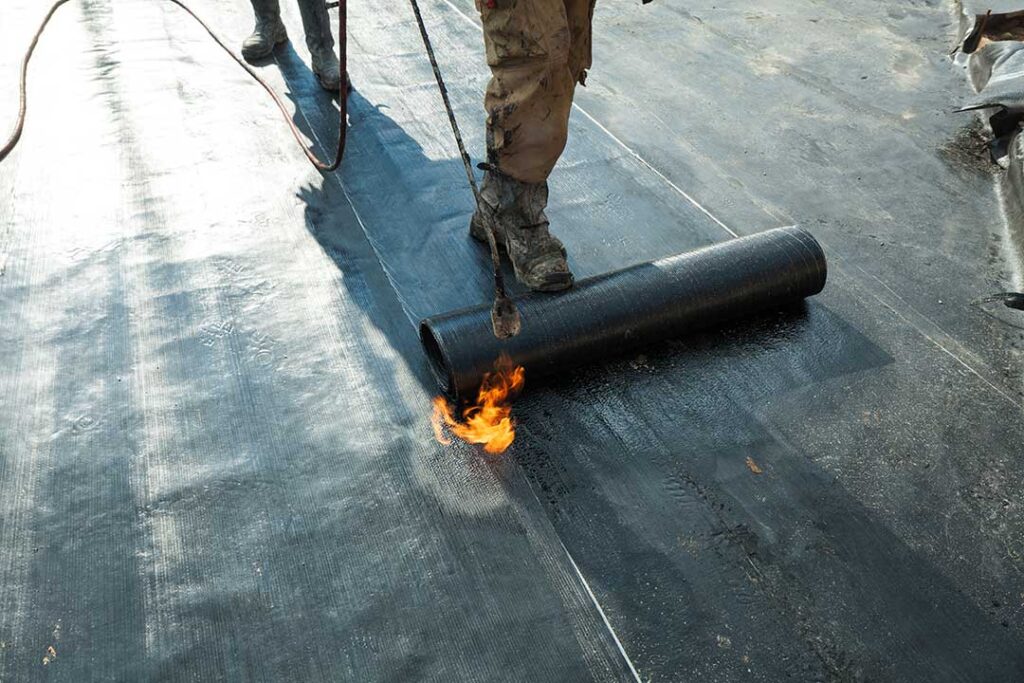
What Is a Roof Tear-Off and Why Might It Be Needed in Avon, NY?
A roof tear-off is the process of completely removing all layers of old roofing material down to the bare decking before installing new shingles. In Avon, NY, this approach is commonly needed when existing roofs have deteriorated due to age, weather damage, or previous repairs that have layered new shingles over old ones. The full removal ensures your new roof will have a solid, even base, which is especially important for the region’s cold winters and wet springs.
Unlike a simple roof overlay, a tear-off lets homeowners eliminate hidden issues such as rotting wood, trapped moisture, or persistent leaks, which can’t be addressed unless the roof is stripped down. Local building codes generally require a tear-off if there are already two or more layers of shingles, or if there are signs of structural weakness.
How Does the Tear-Off Process Happen?
The tear-off is a multi-step process that is more involved than simply placing new shingles. For most homes in Avon, the procedure will include:
1. Preparation:
Crews will protect landscaping, decks, and nearby structures with tarps and plywood to catch falling debris. Residents may want to move cars, patio furniture, and sensitive plants out of the way before the project starts.
2. Removal of Old Material:
Workers use specialized tools to lift and remove shingles, nails, underlayment, and sometimes flashing. All material is collected and disposed of according to local regulations.
3. Inspection of Roof Decking:
With all the old materials gone, the decking (usually plywood or board planks) is inspected for rot, mold, or structural weakness. Damaged areas are identified and repaired.
4. Preparation for New Roofing:
Once repairs are done, a new underlayment is installed, followed by shingles or the homeowner's chosen roofing material.
Most tear-off jobs on single-family homes in Avon take one to two days depending on the roof's size, complexity, and weather conditions.
What Should Residents Expect During the Project?
Homeowners often have questions about how disruptive a tear-off will be. While it can seem like a major event, most steps are straightforward with the right planning:
- Noise:
Expect significant noise from early morning until late afternoon while old roofing is being removed and new material is fastened.
- Dust and Debris:
Tearing off shingles creates dust and loose material. Windows and attics should be closed tightly. Crews generally clean up daily, but some grit or nails may be found in the yard or gutters afterward.
- Access Considerations:
Workers will need clear ground space around the home for ladders, tools, and waste containers. Temporary blockages of driveways or sidewalks are possible. Informing neighbors in advance is courteous, especially in denser neighborhoods.
- Weather Delays:
Although scheduling is aligned with dry forecasts, sudden rain can pause the process. Most roofing companies in Avon have plastic sheeting on hand to cover exposed areas if the weather changes suddenly.
Does a Tear-Off Create Environmental or Structural Concerns?
Removing old roofing creates a significant amount of debris. In Avon, all waste must be disposed of following local transfer station rules, and recycling asphalt shingles may be an option through certain local facilities. This process is regulated to protect the community and environment.
Structurally, a tear-off allows inspection for issues such as:
- Rotted or spongy wood
- Signs of mold or animal damage
- Nails that have popped or rusted
Finding and fixing these during a tear-off can prevent larger repairs later. If significant repairs are discovered, the timeline and cost could increase, but this proactive step helps avoid emergencies in the future.
What Preparations Should Area Households Make Before a Tear-Off?
A few steps can make the project go more smoothly for local residents:
- Remove valuable items from attics, since vibrations and debris can shake loose dust or items stored near the roof.
- Mow the lawn before the project starts; shorter grass makes it easier to find any nails or scraps afterward.
- Take down photos or delicate decor from interior walls or ceilings, as hammering overhead can cause vibrations to dislodge hooks.
- Alert household members and neighbors to the schedule for convenience and safety.
- Temporarily relocate pets sensitive to loud noise.
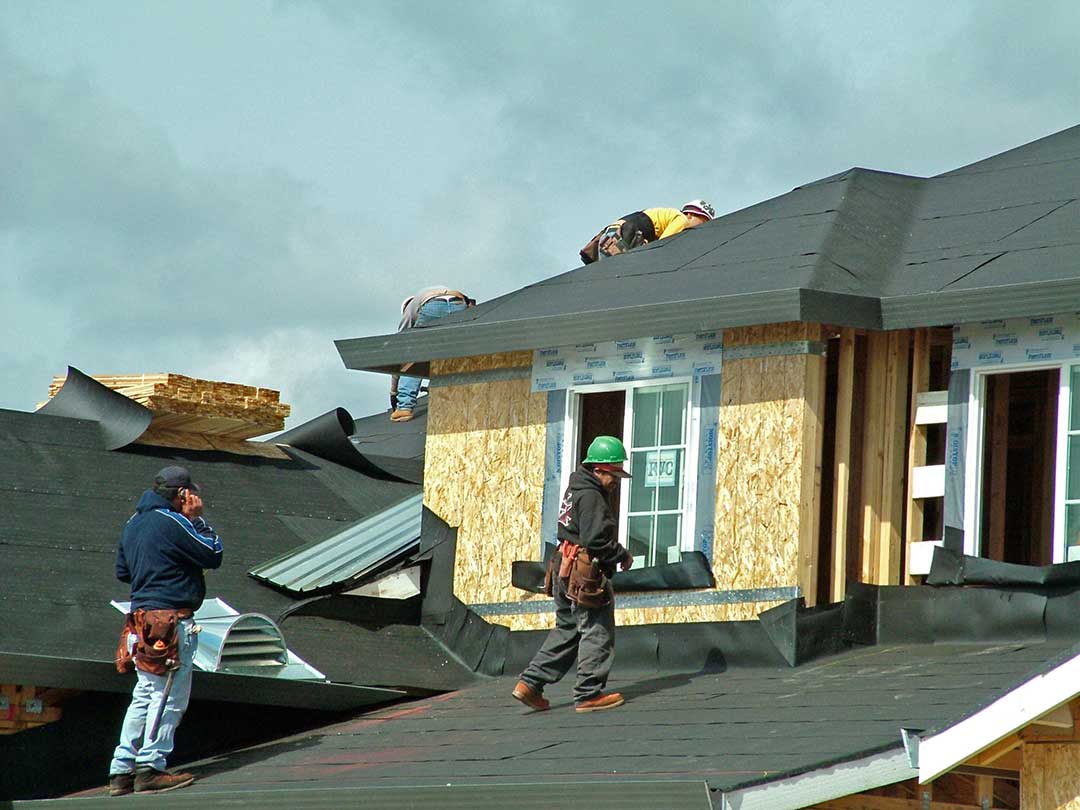
These preparations are especially useful in older homes found throughout Avon, where interior wall plaster or original construction features may react differently to intensive work overhead.
Can You Choose an Overlay Instead?
Sometimes residents consider a “roof overlay” as a less disruptive option. An overlay, where new shingles are installed over the old, is only allowable when there’s a single shingle layer and the existing roof is flat, dry, and free from underlying issues. However, overlays can trap moisture, mask structural problems, and add unnecessary weight—an important consideration given the heavy snow loads typical in regional winters. Avon’s building inspectors may disallow overlays in certain cases, prioritizing longevity and safety.
What Are Common Misconceptions About Roof Tear-Offs?
A few myths can lead to surprises:
- “It's always more expensive”:
While a tear-off is usually pricier than an overlay, it can prevent far costlier repairs hidden beneath layers.
- “It takes weeks”:
Most jobs on standard homes in Avon are finished within two or three days, barring significant repairs or weather delays.
- “Only old roofs need tear-offs”:
Even relatively new roofs can require full removal after major hail, wind, or if previous work was poor.
Understanding these realities helps set good expectations.
What Should You Watch for After the Project?
Even after thorough cleanup, a few stray nails or shingle remnants may appear in the yard or driveway days later, especially following rain. Area homeowners often walk the site with a small magnet or rake. It’s wise to glance inside attics for any signs of daylight, leaks, or dust, confirming repairs were successful.
Most importantly, review documentation about materials and repairs, which should mention any deck replacement or discoveries made during the process. This record can be valuable for insurance or future home sales in the city.
